Sean Sundwall

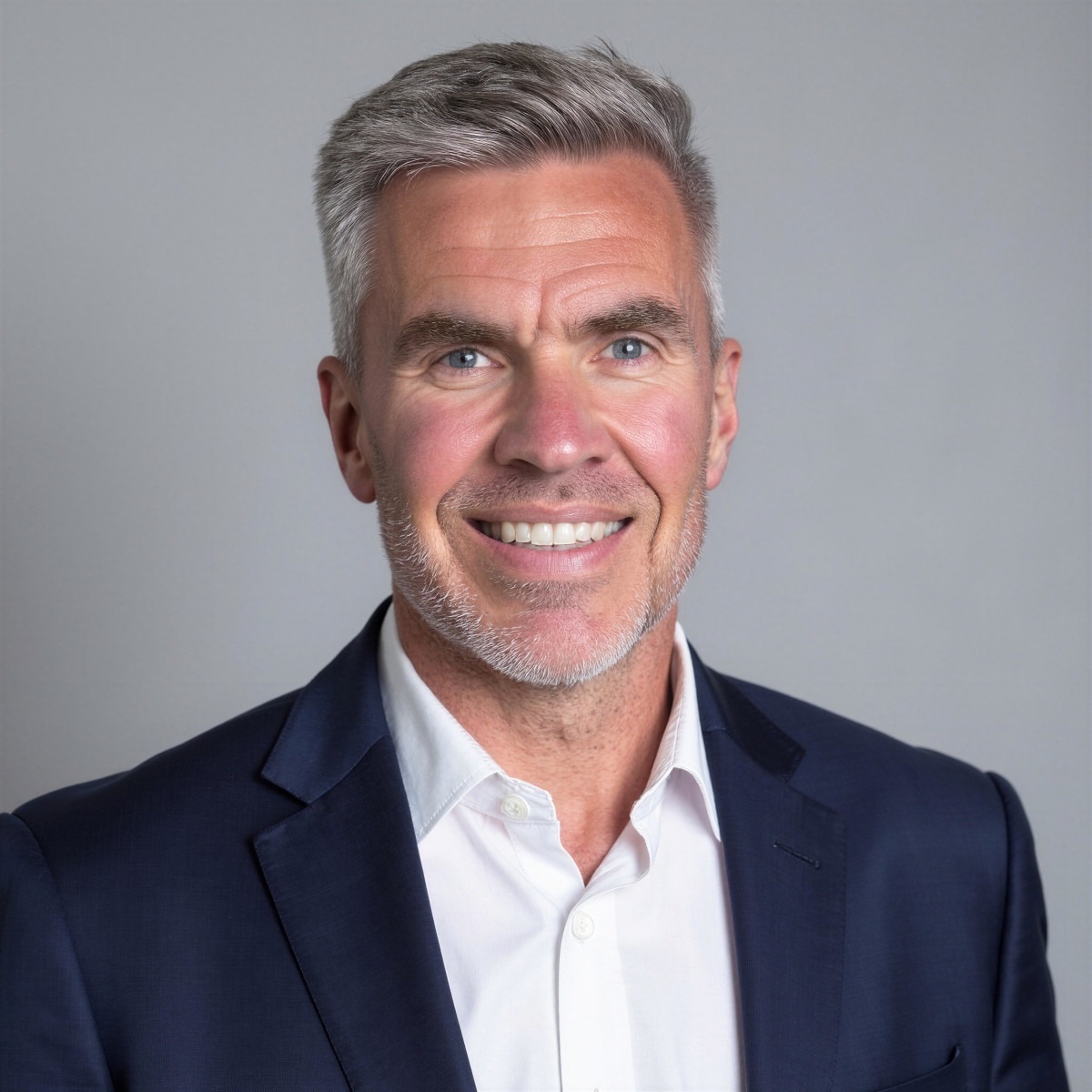
I am a proud husband, father of seven, and grandfather of two. I’ve owned and operated my own insurance agency for over 15 years; I know what it means to meet a payroll, balance a budget, and answer to customers. I coached high school track and cross country for 10 years in Snoqualmie, WA, where I also served four years as a city councilmember fighting for fiscal restraint in a fast-growing community. I am a lifelong Republican and a committed conservative. My family and I are proud to call the Treasure Valley home.
Idaho GOP Platform Responses
✓+ Strongly Agree ✓ Somewhat Agree O Somewhat Disagree X Strongly Disagree
| Topic | Candidate’s Explanation | |
|---|---|---|
| ✓+ | Responsibility in Government | Government exists to serve the people, not the other way around. That means limited government, transparency, accountability, and officials who answer to the voters. I lived this on city council and will bring it to ACHD: open books, honest budgets, and decisions made in public, not by unaccountable staff. |
| ✓+ | Citizen Involvement | The government closest to the people governs best, and only works when citizens are informed and engaged. ACHD has too often tuned out the very taxpayers who fund it and drive its roads every day. I will make sure residents’ voices actually shape decisions, not just check a public-comment box. |
| ✓+ | Education | Parents are the primary authority in their children’s education, and dollars should follow students, not systems. As a 10-year high school coach, I saw firsthand that local control and parental involvement, not federal mandates, are what serve kids best. |
| ✓+ | Agriculture | Agriculture is the backbone of Idaho’s economy and heritage. Farmers and ranchers deserve protection from regulatory overreach and respect for their property and water rights. As Ada County grows, road planning must respect and work with our agricultural communities, not run over them. |
| ✓+ | Water | Idaho’s water belongs to Idahoans. I support the prior appropriation doctrine, defense of Idaho’s water rights against federal encroachment, and state primacy over this resource. Water is the lifeblood of our farms, families, and future growth. |
| ✓+ | Natural Resources / Environment | Idahoans are the best stewards of Idaho’s land and resources, not Washington, D.C. I support responsible multiple use of our resources and reject radical environmental agendas that lock up land, kill jobs, and drive up costs for families. |
| ✓+ | Energy | Affordable, reliable, abundant energy is essential to Idaho families and to attracting the employers who bring high-paying jobs here. I support an all-of-the-above approach driven by markets, not mandates and subsidies for politically favored technologies. |
| ✓+ | Idaho National Lab | The INL is a national treasure and a pillar of Idaho’s economy, leading the world in nuclear energy research. I fully support its mission and its role in America’s energy independence and national security. |
| ✓+ | Private Property Rights | Private property rights are the bedrock of liberty, and this article matters directly to the office I seek. At ACHD, eminent domain must be a true last resort with fair-market compensation and good-faith negotiation first. Right-of-way acquisition must be transparent and respectful, and government must never use permitting as leverage against property owners. Government exists to protect property rights, not erode them. |
| ✓+ | State / Federal Lands | The federal government controls far too much of Idaho. Idahoans should manage Idaho’s lands, we do it better, more responsibly, and with greater benefit to our communities than distant federal bureaucracies ever will. |
| ✓+ | Wildlife | Wildlife management belongs with the State of Idaho and its sportsmen, not federal agencies or out-of-state activist groups. I support science-based state management and our hunting and fishing heritage. |
| ✓+ | Economy | Free markets, low taxes, and limited regulation create prosperity, government does not. As a small business owner for 15+ years, I’ve lived this. At ACHD, my part is delivering the infrastructure that lets Idaho businesses grow and compete, while holding the line on the taxpayer’s burden. |
| ✓+ | Health and Welfare | Personal responsibility, family, and free-market healthcare solutions serve people better than government dependency. Welfare should be a temporary hand up, not a permanent way of life, and programs must be accountable to the taxpayers funding them. |
| ✓+ | American Family | The traditional family is the foundation of our society and our republic. As a husband, father of seven, and grandfather of two, this isn’t abstract for me, it’s my life. Strong families, not government programs, build strong communities. |
| ✓+ | Older Americans | Older Americans built this country and deserve dignity, security, and protection from those who would take advantage of them. Seniors on fixed incomes are hit hardest by rising taxes and costs of living, one more reason government must exercise fiscal discipline. |
| ✓+ | Law & Order w/ Justice | A free society requires the rule of law, and I stand firmly with law enforcement. Idaho must never go down the “defund” path that has destroyed cities in Washington, Oregon, and California, I’ve seen the consequences of that ideology up close. |
| ✓+ | Securing the Border | A nation without borders is not a nation. I support securing the border, enforcing our immigration laws, and a strong national defense. Border failures have real consequences that reach every state, including Idaho. |
| ✓+ | Election of Idaho Judges | Judges must be accountable to the people and faithful to the Constitution as written — interpreting the law, not making it from the bench. I support the platform’s position on keeping Idaho’s judiciary answerable to Idahoans. |
| ✓+ | Religious Liberty | Religious liberty is our first freedom, enshrined in the First Amendment for good reason. Government must never force Americans to violate their conscience or push faith out of the public square. Faith and family are the bedrock of my own life and of this nation. |
Survey and Interview Responses
“How long have you lived in Ada County?
5 years. I moved from Snoqualmie, WA, like so many others, we left Washington’s failed liberal governance behind and chose Idaho for its freedom, values, and quality of life. I intend to keep Idaho from repeating Washington’s mistakes.
How long have you been a Republican? Any prior party affiliation?
I have been a Republican my entire life. I have never been registered with, affiliated with, or tempted by any other party.
Have you been involved with any political organizations? (IACI, Idaho Majority Club, IFF, etc.)
Not yet, I am newer to Idaho politics, but I am actively getting engaged and look forward to building relationships with the conservative organizations working to keep Idaho red. I would welcome introductions from the Ada County GOP.
Have you supported candidates from another party?
Never. I have supported Republican candidates and Republican principles my entire adult life.
Why are you running for this office?
I’m running because I’ve seen firsthand what happens when local government loses fiscal discipline. I watched it happen to my city in Washington, and I ran for city council there to help fix it. Since moving to the Treasure Valley, I see the same patterns creeping in: taxpayer money and time squandered on projects that don’t move people, while the roads our families and businesses depend on fall further behind. Traffic touches every single resident of Ada County, every commute, every school drop-off, every delivery truck. Meanwhile, unelected bureaucratic thinking has drifted ACHD away from its core mission: building and maintaining roads. I want to return conservative common sense to the highway district, fast-track the projects that actually move people and commerce, and treat every taxpayer dollar like it came out of a family’s budget, because it did. Government’s job is to do its core functions well, spend the people’s money wisely, and get out of the way.
Have you held elected office before?
Yes. I served four years on the city council in Snoqualmie, WA, in one of the fastest-growing cities in the state, fighting for fiscal restraint, core services, and accountability to taxpayers.
What makes you qualified for this role?
I bring the combination this seat needs: real elected experience navigating explosive growth, 15+ years running a private business with my own money on the line, and the tenacity to see a fight through. I’m not running for a title, I’m running to change how ACHD operates. And I understand this is bigger than one seat: even when I win, there will be more work to do in the next cycle to complete the conservative retaking of ACHD. I’m in this for the long haul.
If elected, what 2-3 actions do you intend to pursue in your first year?
- Build roads that move people and commerce — safely and on time. ACHD’s core mission is roads. I will prioritize capacity, congestion relief, and on-time project delivery over pet projects, and push to fast-track projects that have languished in the Five-Year Work Plan.
- Get ahead of growth instead of chasing it. We must invest in areas of current AND anticipated growth; Star, Eagle, and the fast-growing west valley, and fast-track corridors that have been forgotten. Infrastructure should lead growth, not lag behind it. When roads are ready, businesses invest, jobs follow, and housing stays attainable. 3. Run ACHD like a business. I’ll scrutinize operational spending, demand efficiency and accountability, and make sure impact fees and taxpayer dollars go into pavement and capacity — not bureaucracy. Taxpayers deserve maximum road-miles per dollar.
How have you served your community (boards, nonprofits, etc.)?
I am currently serving on the Star City Councils Transportation Committee. Beyond my four years of elected service on the Snoqualmie City Council, I served for a decade as a high school track and cross country coach, mentoring hundreds of young people in discipline, hard work, and personal responsibility
Do you consider yourself fiscally conservative?
Absolutely. It’s the people’s money, not the government’s. Government’s responsibility is to fund its core functions, spend every dollar wisely and transparently, and then get out of the way. As a business owner for 15+ years, I’ve lived by a budget where waste has real consequences, government should be held to the same standard. I will oppose wasteful spending, bureaucratic bloat, and any effort to grow the taxpayer’s burden.
Do you consider yourself socially conservative?
Yes, without apology. I am pro-life. I am a strong defender of the Second Amendment and private property rights. I believe there are two genders, that the traditional family is the foundation of a healthy society, and that parents, not government, are responsible for raising their children. My wife and I have raised seven children on these values.
Share your one-minute elevator speech.
I’m Sean Sundwall, and I’m running for ACHD District 3. Like many people in this county, I’m frustrated with the mismanagement and failure of ACHD. I believe I can bring expertise and political experience to cut through the bureaucracy and get things done. I want to move people and commerce efficiently and safely, primarily through vehicles. I also want to hold ACHD accountable and restore transparency, particularly regarding how taxpayer money is being spent.
What are your top priorities, and what would you act on first?
My first priority is moving people and commerce as efficiently and safely as possible. We’re not a train, subway, or bus society here, so rather than spending money trying to change people’s behavior, I believe we need to adapt to how people actually travel. That means more roads, greater capacity, and smarter traffic signals. We need transportation solutions that reflect how people in the West live and work. I would also get ahead of growth and run ACHD more like a business.
What is one current ACHD policy or practice that you believe isn’t working as well as it should, and what specifically would you change if elected
I believe the interaction between ACHD and the cities is dreadful. While some of that is restricted by legislation, there needs to be much better coordination between land use and transportation planning. I’ve spoken with several mayors, and there is broad agreement that this coordination needs improvement. Cities and ACHD need to work together so that transportation infrastructure keeps pace with development and growth rather than reacting after the fact.
Do you believe growth is paying for growth in Ada County today? If not, what would you change?
I don’t know if growth can ever completely pay for itself because infrastructure can always fall behind development. However, ACHD needs to anticipate future needs and acquire right-of-way before land becomes more expensive. For example, the need for improvements to roads around Star was predictable 10 to 15 years ago. ACHD should have acquired the necessary land earlier, when it was less expensive and before eminent-domain issues became a concern.
ACHD’s FY2027 budget is approximately $261 million, including $133 million in capital projects. If you believe ACHD needs additional funding to address transportation needs, what revenue source would you support—and if you don’t support additional revenue, what projects or services would you reduce or delay?
I’m hesitant to add costs to transportation users. Before seeking additional revenue, I would closely examine the existing capital program and determine whether the projects are truly needed now. If they are, we should fund them. If they aren’t, we should reshuffle priorities. I would also evaluate services such as public transportation to determine whether they are actually producing meaningful results. Every dollar should address an actual transportation need rather than a philosophical goal or pet project.
Where does ACHD need better coordination with Ada County, cities, and ITD, and how would you improve it?
ACHD needs better coordination with utilities and other agencies involved in road construction. Something as simple as utility placement can create problems for motorists when agencies aren’t coordinating effectively. I also see opportunities for ACHD and ITD to share resources. For example, both agencies have concrete laboratories. Rather than maintaining duplicate facilities and resources, they should look for opportunities to work together and achieve efficiencies.
ACHD invests in bike lanes, multi-use pathways and other bicycle infrastructure. What criteria should ACHD use to determine when a dedicated bike lane is appropriate, and when road space should instead be devoted to vehicle capacity, parking, or other uses?
I’m not opposed to bike lanes, but I don’t support taking existing vehicle lanes away to create them. Bike infrastructure should be incorporated into new projects when appropriate, but not at the expense of vehicle capacity. Most people still rely on vehicles to get to work, school, church, and other destinations. We need to provide safe options for bicyclists while recognizing that transportation infrastructure must serve the majority of people who depend on automobiles.
ACHD has a 5 year plan for capital improvement projects. How will you prioritize which projects make the list?
I would go through every project on the five-year plan and verify that it is actually needed within that five-year period. If projects don’t need to happen now, I would look at projects ranked lower on the list and determine whether they should move up. Maybe ACHD has the priorities right, but I don’t want to simply assume that. I would take the approach of “don’t trust and verify” and make sure projects are properly prioritized.
ACHD is responsible for serving motorists, pedestrians, cyclists, and other users. When limited road space forces a choice between adding vehicle capacity and adding bicycle or pedestrian infrastructure, what factors should determine which gets priority? Should maintaining or increasing vehicle capacity generally take precedence on major transportation corridors? Why or why not?
Safety would be my first consideration, regardless of whether we’re talking about motorists, bicyclists, or pedestrians. We should look for ways to reduce conflicts between different transportation users. However, resources are finite, and I generally lean toward vehicle capacity because vehicles move more people. We should maintain safe bicycle infrastructure on major roads, but adding additional bicycle infrastructure would generally be secondary to maintaining adequate vehicle capacity.
Should maintaining or increasing vehicle capacity generally take precedence on major transportation corridors? Why or why not?
I don’t believe removing existing bike lanes is the answer. If a major road needs additional vehicle lanes, I would support widening it while maintaining the existing bike infrastructure. The additional right-of-way needed for bike lanes is relatively small compared with the overall cost of a major road-widening project. We should plan for both vehicle capacity and bicycle infrastructure rather than treating them as mutually exclusive whenever possible.
What question do you wish voters were asking candidates that they aren’t?
I would like voters to ask why ACHD’s budget has increased so significantly and what has happened with that money. Obviously, funding increases as the population and tax base grow, but voters should still ask what they are getting for those additional dollars. I would make examining that spending and restoring transparency a priority. There are legitimate reasons for increased revenue, including more properties and transportation impact fees, but that doesn’t eliminate the need for accountability. The question should still be: What is being done with the money? I want to approach ACHD like a business. As a business owner, I have to balance the books and make decisions about hiring, outsourcing, and spending. ACHD should similarly evaluate whether every expenditure is producing meaningful results for taxpayers.”