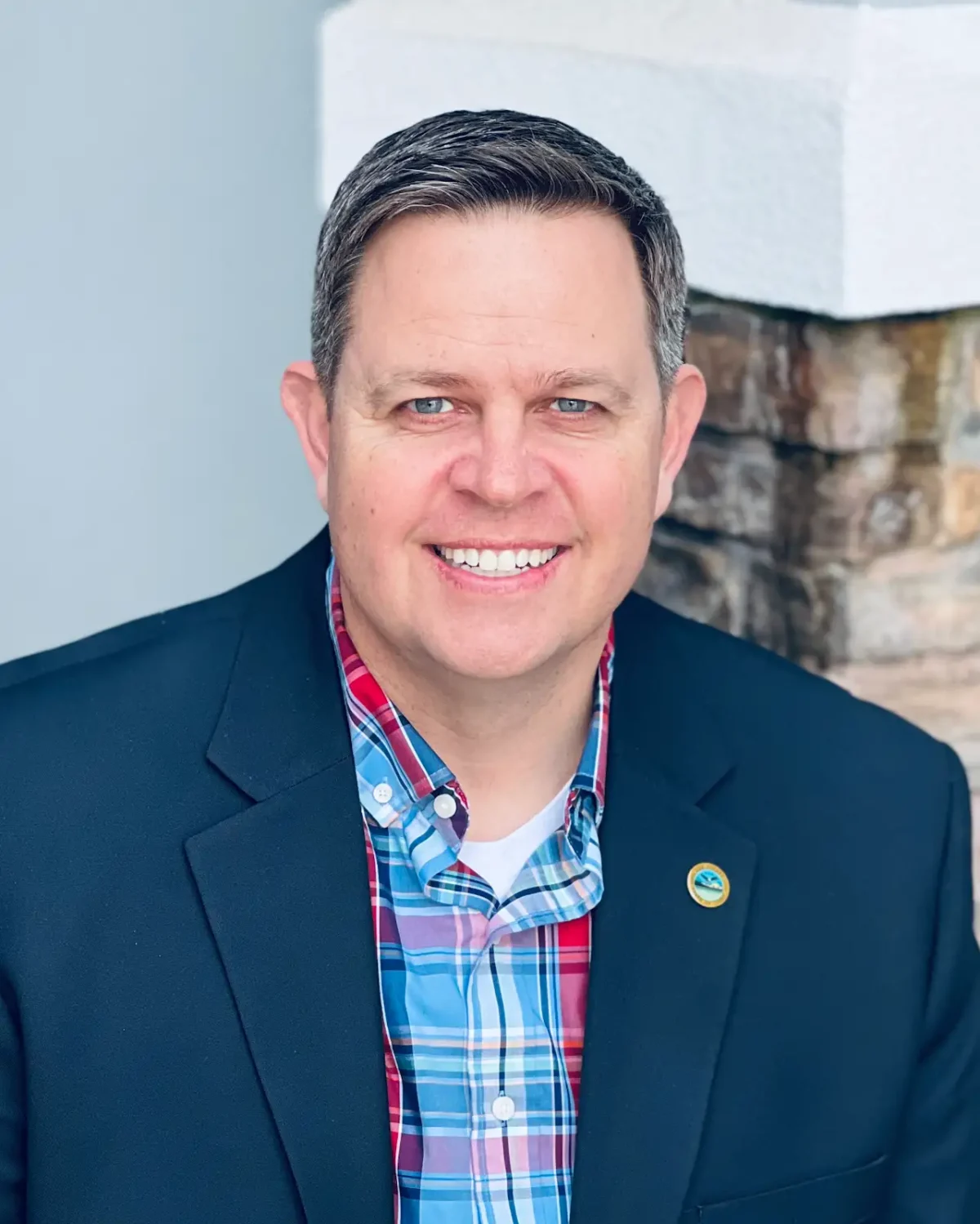
Trent Tripple
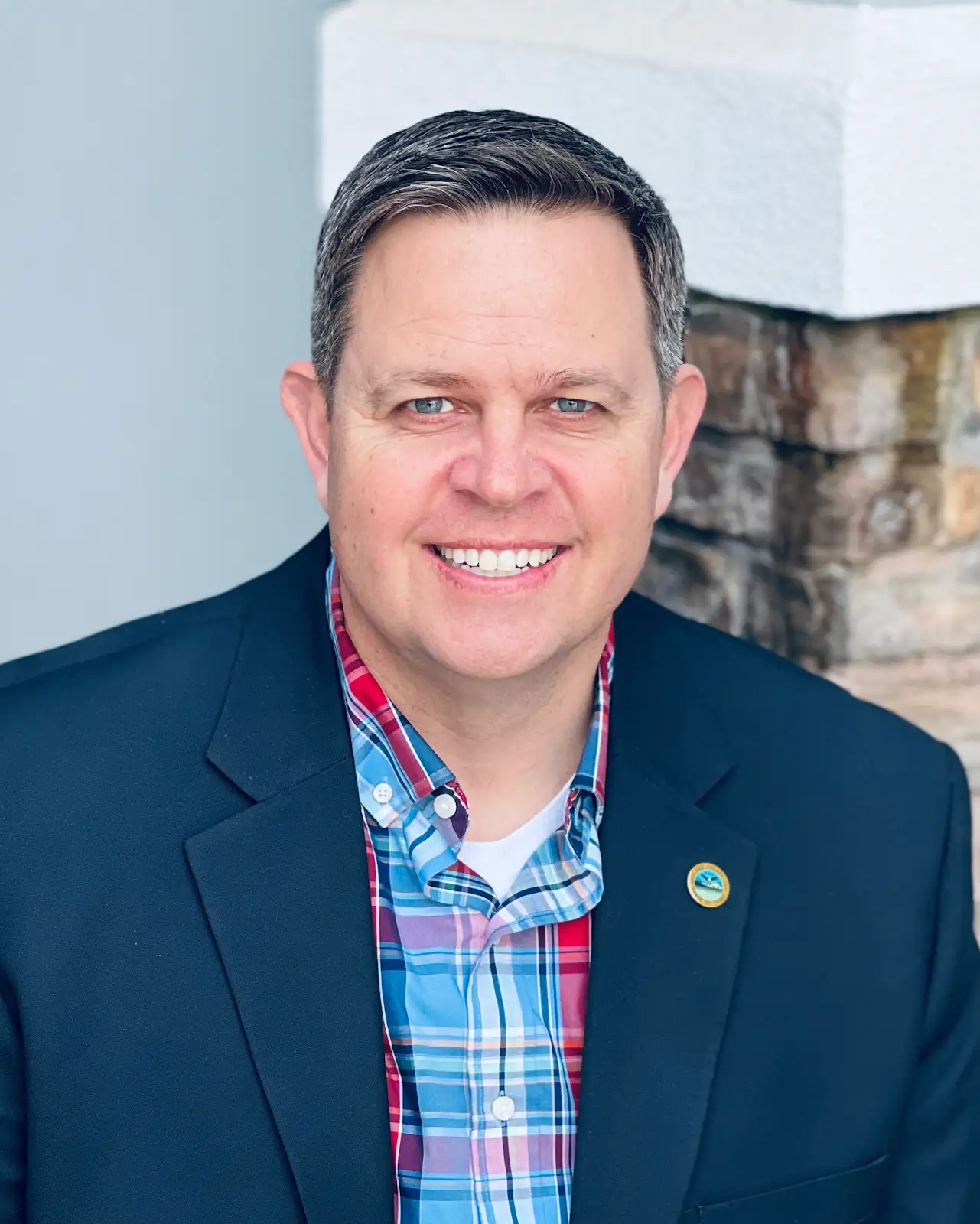
I am 20 yr Veteran of the Air Force, a fighter pilot, a squadron commander and flew F-15Es. I am married to Wendy and we have three children, Tayzlie, Townsend, and Tennessee. I served for 5 years as the Chief Deputy in the Clerk’s office before being elected as the Clerk of the Court. I love being a public servant, protecting our community, ensuring free, fair and transparent elections, and helping people through the court system. I was born in Idaho and have family all over the great state and the valley.
Idaho GOP Platform Responses
✓+ Strongly Agree ✓ Somewhat Agree O Somewhat Disagree X Strongly Disagree
| Topic | Candidate’s Explanation | |
|---|---|---|
| ✓+ | Responsibility in Government | N/A |
| ✓+ | Citizen Involvement | N/A |
| ✓+ | Education | N/A |
| ✓+ | Agriculture | N/A |
| ✓+ | Water | N/A |
| ✓+ | Natural Resources / Environment | N/A |
| ✓+ | Energy | N/A |
| ✓+ | Idaho National Lab | N/A |
| ✓+ | Private Property Rights | N/A |
| ✓+ | State / Federal Lands | N/A |
| ✓+ | Wildlife | N/A |
| ✓+ | Economy | N/A |
| ✓+ | Health and Welfare | N/A |
| ✓+ | American Family | N/A |
| ✓+ | Older Americans | N/A |
| ✓+ | Law & Order w/ Justice | N/A |
| ✓+ | Securing the Border | N/A |
| ✓+ | Election of Idaho Judges | N/A |
| ✓+ | Religious Liberty | N/A |
Survey and Interview Responses
How long have you lived in Ada County?
I was born here in Ada County. Served in the military and upon retiring returned to Idaho 10 yrs ago.
How long have you been a Republican? Any prior party affiliation?
I’ve been registered as a Republican my whole life.
Have you been involved with any political organizations? (IACI, Idaho Majority Club, IFF, etc.)
Ada County Republican Party as a Precinct Committeeman.
Have you supported candidates from another party?
No.
Why are you running for this office?
I have served in this office for some time and would like to continue.
Have you held elected office before?
Precinct committeeman for 2 years; Clerk of the Court for 4 years.
What makes you qualified for this role?
I have served in support of this role and as the elected Clerk for 9 years now.
If elected, what 2-3 actions do you intend to pursue in your first year?
Maintain the most transparent and secure election system in the country, ensure access to courts, and provide 100% transparency in the budget process.
How have you served your community (boards, nonprofits, etc.)?
I have served in ecclesiastical roles for 30 years supporting youth groups, community support groups, and worked with addiction recovery programs.
Do you consider yourself fiscally conservative?
Yes. I believe in small government, local control, and self reliance.
Do you consider yourself socially conservative?
Yes. I am very religious and believe in following moral laws that benefit our community as protected by the constitution.
Please share your one minute elevator speech
I’m Trent Tripple. Born in Boise, I served 20 years in the military before bringing my family back to Idaho ten years ago. My family has deep roots here—my mother lives in Star, sisters in Eagle, brother in Kuna, and relatives scattered across the area. What drew me back is that deep desire to serve with purpose. Local government has the greatest impact on people’s daily lives—public safety, roads, water, elections, and courts. I got involved because I love transparency and want people to see that their government is working for them, not against them. Their hard-earned tax dollars should produce visible results. I enjoy working with other elected officials to keep Ada County a great place to live, raise families, and recreate. That’s why I’m running and why I’ll stay involved.
What is your plan to advocate for your top priorities?
My priorities focus only on areas I actually control. Access to fair courts is huge—I want people on their worst days to feel the system helps them, not hinders them, with unbiased trials and clear information across criminal and civil cases. Most of my work as Clerk is in the courts, not elections. Maintaining accurate, transparent official records—court documents, land records, contracts, and spending—is another top priority. People should easily see how their government operates. Elections are important too: I want every voter to have secure access to the ballot and confidence it’s counted accurately. Finally, I prioritize taking care of my 200 employees so they find joy in serving the community and continue building trust in local government.
What steps will you take to increase voter confidence?
Better education is key. Our ballot verifier was a national first—it lets every voter see every ballot cast and compare the hand-marked image side-by-side with the scanner record to prove the machines worked correctly. Many people still don’t know this exists, so I need to do a better job explaining it outside of election season. We’ve also strengthened ballot custody with dual access requirements, 24/7 video surveillance, fire suppression in drop boxes, and tracking agreements with the post office. Every step ensures full accountability from start to finish. My goal is for people to talk about who won and how they’re doing their job—not whether the election was legitimate.
How will you ensure accurate voter rolls?
Ada County has led the state for a decade. We’ve had a liaison with Homeland Security and ICE, scrubbing our rolls against their databases long before the governor’s recent executive order made it statewide. We regularly remove inactive voters after four years, cross-check death certificates, and work with IDOC to remove ineligible felons. Right now we have about 15 ongoing court cases prosecuting illegal voting, mostly felons who shouldn’t have voted. We also partner with the DMV. However, I’m equally concerned about mistakenly disenfranchising legitimate voters—like my 83-year-old mother who might struggle to produce old records when updating her registration. We’re working through those wrinkles carefully while keeping our nearly 300,000 rolls as clean and accurate as possible.
Should election consolidation be pursued locally?
I’m a big supporter of consolidating the presidential primary with our May local primary. Moving it to early May would boost turnout dramatically, reduce voter confusion, and save taxpayers money. People currently get confused when they show up for a presidential-only ballot and then again for local races. However, I don’t support further consolidation into a single election. We’ve already reduced from four or five elections per year down to two, which is a healthy cadence. Different voters show up in May versus November, and in even versus odd years. Packing everything together risks long ballots that cause voter fatigue and unintentional undervoting on important local issues.
What cybersecurity protections are in place or should be in place?
Our voter database and ballot-counting systems are never connected to the internet, so the biggest concern is physical security rather than cyber threats. We partner closely with county IT and work with federal agencies like CISA and the FBI for the latest threat intelligence. The voter rolls use cellular connections and require strong cybersecurity, but we build in multiple layers of redundancy. If electronic poll books fail, we have paper backups. If ballot-on-demand systems go down, we have pre-printed paper ballots ready. The official record is always the paper ballot itself. I can’t run a system with a single point of failure, so we prepare for every contingency while maintaining robust physical and network protections.
How will you improve transparency in results reporting?
We’ve built a strong, user-friendly reporting system accessible on phones, computers, and tablets. Our data expert creates clear visualizations, maps, and heat charts so people can instantly see who’s winning at any stage on election night. We provide updates every 15–20 minutes and show percentages by precinct and vote style (absentee, early, election day) instead of jumping from 0% to 100%. This helps voters understand how much remains to be counted. We worked with the state to adopt the same improvements. The goal is simple: make results easy to understand so people aren’t left confused or suspicious about what’s happening as votes come in.
What questions should voters be asking, but aren’t?
Voters should be asking: “Where is the money coming from?” Campaign finance transparency is becoming more critical. Too much outside money flows into Idaho elections, and right now it’s too hard for voters to see who is really supporting candidates or PACs. The Secretary of State is trying to improve this, but the legislature needs to help. Voters deserve an easy way to look up any candidate and see exactly who donated—especially if large amounts come from out of state like North Carolina. Full transparency on funding builds trust. We need better tools so people can quickly and clearly see who is influencing our elections.